Do you want to live longer and healthier?
Do you want to help save the planet and reduce animal suffering?
Do you want to enjoy delicious and nutritious food every day?
If you answered yes to any of these questions, then you might want to consider a plant-based diet.
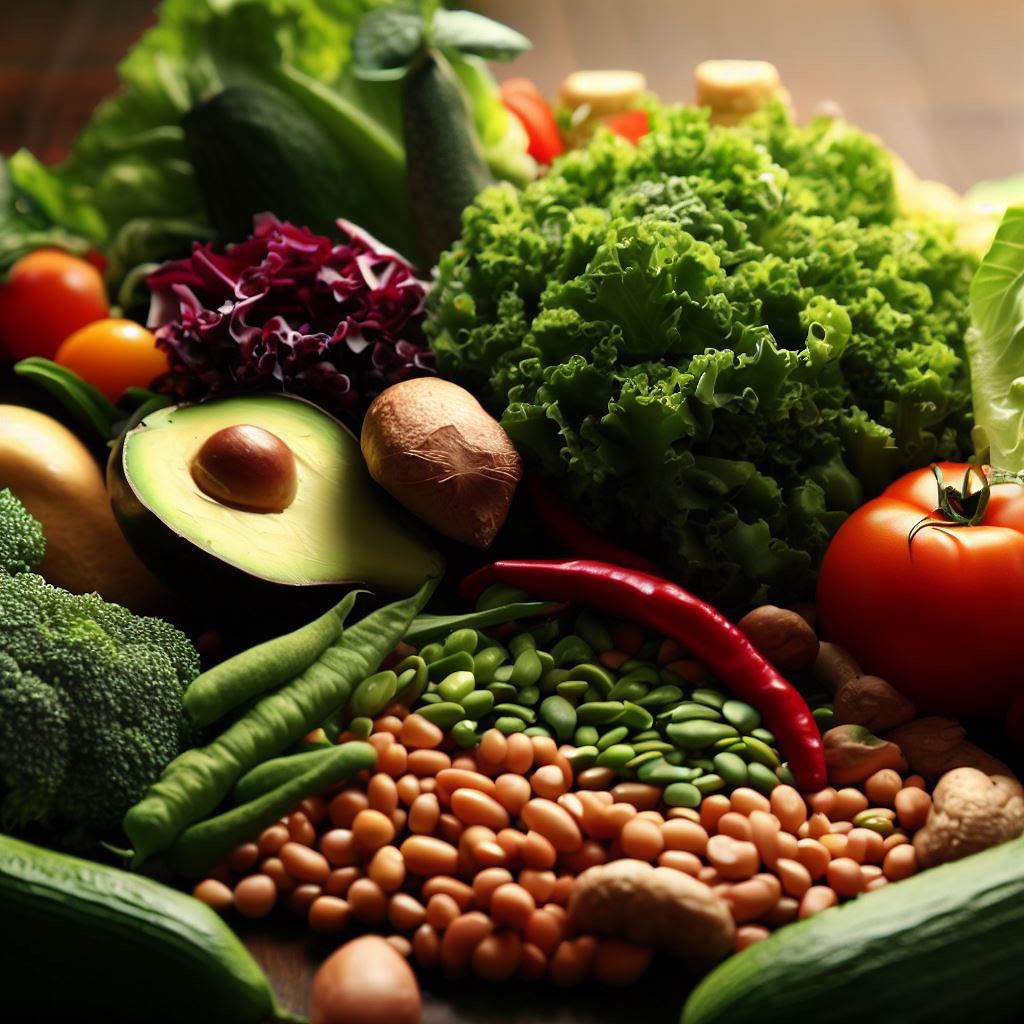
Many people worry about taking up a more plant-based way of living. At My Wellness Doctor, some common concerns we hear include:
- “I don’t want to be vegan”
- You don’t have to be…
- Plant-based doesn’t necessarily mean vegan. It means that you ‘base’ your meals around ‘plants’. It is about reprioritizing whole-food plants in the diet and minimizing animal-based foods.
- The degree to which you achieve the above can be personalized to you, and increased gradually.
- You could start by enjoying plant-based lunches several days a week, then making breakfasts plant-based.
- Finally, getting an ever greater proportion of your protein from whole grains.
- Won’t I be deficient in lots of nutrients by reducing my intake of animal foods?
- The short answer is no. Later in this blog post, I’ll discuss specific plant food sources of important nutrients.
- The only vitamin that isn’t present in a 100% strict vegan diet is vitamin B12. This can be obtained from fortified foods or nutritional yeast or by taking a daily/weekly supplement.
- Other oft-quoted micronutrients that people worry about, such as calcium, iodine, and choline, are, in fact, quite easy to get in a plant-based diet.
- I specifically address the common worry about a lack of protein in more detail later. -I will say that protein is found in nearly all plants. Cows build their muscles by eating predominantly grass! In fact, some of the largest, most muscular creatures that ever existed have been plant-based, such as mountain gorillas or the giant herbivore dinosaurs from prehistoric earth.
- Isn’t meat and dairy good for me?
- Only in the narrow sense that they provide calories, some minerals, and protein. These aren’t the issue, it’s what they’re packaged up in that’s the problem. Most meat and dairy are laden with artery-clogging saturated fat and cholesterol. Dairy contains natural bovine growth hormones designed to rapidly grow baby calves, and in some cases, manmade growth hormones and antibiotics. Red and processed meat are carcinogenic (known to cause cancer).
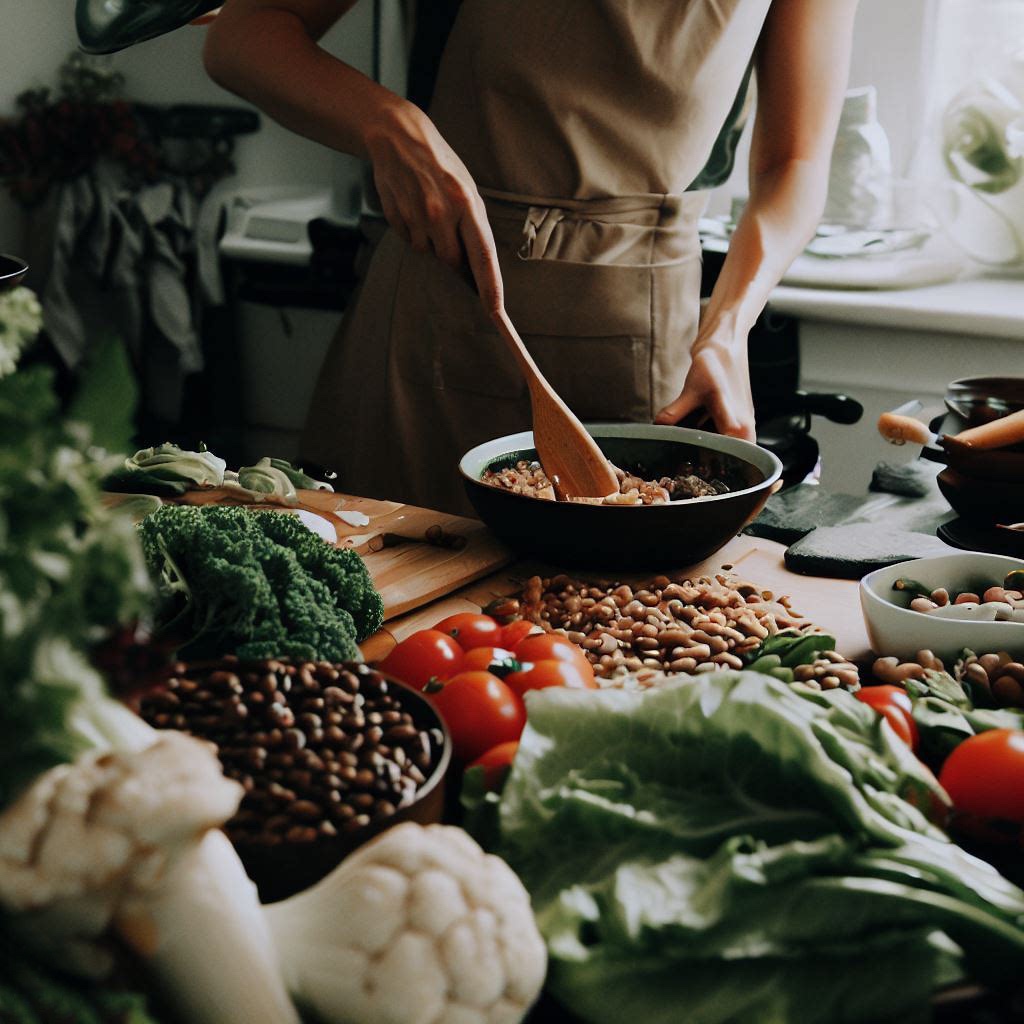
A plant-based diet is a way of eating that focuses on whole, unprocessed foods that come from plants. This includes fruits, vegetables, grains, legumes, nuts, seeds, herbs, and spices. A fully plant-based diet does not include any animal products, such as meat, dairy, eggs, or honey.
Why should you try a plant-based diet? Well, there are many benefits for your health, the environment, and animals. Including:
- A plant-based diet can lower your risk of chronic diseases: such as heart disease, diabetes, obesity, and some cancers. This is because plant foods are rich in fiber, antioxidants, phytochemicals, and other nutrients that protect your cells and organs from damage and inflammation.
- A plant-based diet can help you lose weight and maintain a healthy BMI: Plant foods are generally lower in calories, fat, and cholesterol than animal foods. They also fill you up faster and keep you satisfied longer, so you eat less and snack less.
- A plant-based diet can improve your mood and mental health: Plant foods contain tryptophan, an amino acid that is a precursor of serotonin, the happy hormone. They also contain omega-3 fatty acids, which are essential for brain function and mood regulation. Plants tend to be highly anti-inflammatory in the body due to their antioxidant content, the opposite is true of most animal foods. Recent evidence has suggested that chronic unchecked inflammation likely plays a big role in the pathogenesis of mood problems and the epidemic of mental health problems we’re witnessing in modern societies.
- A plant-based diet can save water, land, and energy: Producing animal products requires much more resources than producing plant foods. For example, it takes about 15,000 liters of water to produce 1 kg of beef, but only 250 liters of water to produce 1 kg of wheat.
- A plant-based diet can reduce greenhouse gas emissions and slow down climate change: Animal agriculture is one of the major contributors to global warming. According to a 2006 report by the United Nations Food and Agriculture Organization (FAO), animal agriculture is responsible for 18% of human-induced greenhouse gas emissions, more than the entire transport sector combined.
- A plant-based diet can prevent animal suffering and death: Billions of animals are killed every year for food, often in cruel and inhumane ways. By choosing a plant-based diet, you can spare these animals from pain and misery.
As you can see, a plant-based diet has many benefits for you and the world. But how do you start? Well, it’s easier than you think. You don’t have to go vegan overnight or give up all your favorite foods. You can start by making small changes, such as:
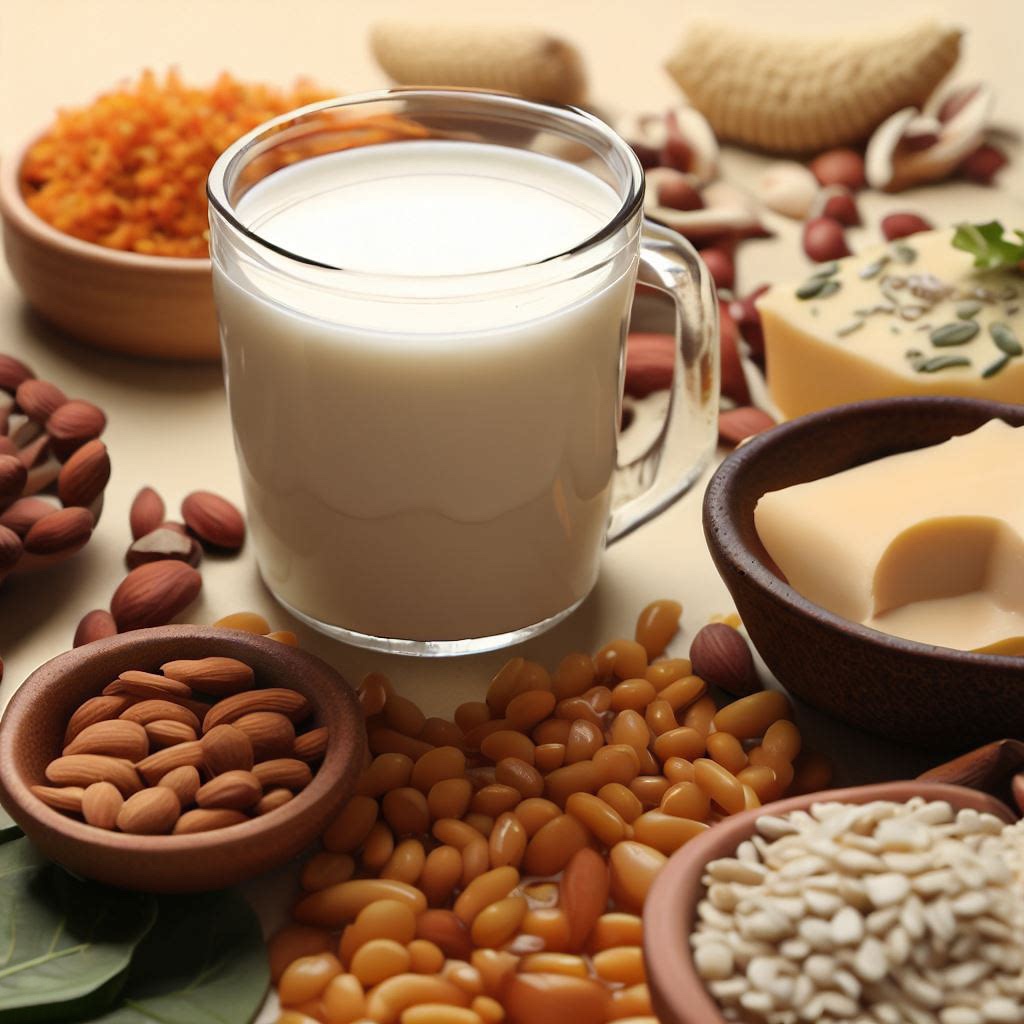
- Replacing animal products with plant alternatives: For example, you can use soy, oat or almond milk instead of cow’s milk, tofu instead of cheese, beans, legumes and Wholegrains instead of meat, etc.
- Eating more fruits and vegetables: Add more salads, soups, smoothies, and healthy snacks (such as nuts, seeds, dried fruits) to your daily menu.
- Trying new recipes and cuisines: Explore the diverse and delicious dishes from different cultures that are based on plants, such as Indian curries, Mexican burritos, Thai stir-fries, etc.
Common Concerns about Plant-Based Living
- Where will I get my protein?
Here are some of my favourite sources of healthy protein:
- Beans:They’re not just good for your heart, they’re also packed with protein. You can use them in salads, soups, burritos, burgers, and more. Plus, they come in so many varieties, you’ll never get bored. Black beans, kidney beans, chickpeas, lentils, the list goes on and on.
- Tofu:Don’t be scared of this soy-based wonder. Tofu is versatile, easy to cook, and can take on any flavor you want. You can scramble it for breakfast, stir-fry it for lunch, or bake it for dinner. You can even make desserts with it, like cheesecake or pudding. Tofu is a blank canvas for your culinary creativity.
- Nuts:Nuts are not only delicious, they’re also nutritious. They contain healthy fats, fiber, and protein. You can snack on them raw, roast them, or make nut butters. You can also use them to make plant-based milks, cheeses, and yogurts. Nuts are a great way to add some crunch and creaminess to your dishes.
- Seeds:Seeds are small but mighty. They have a lot of protein, as well as minerals and antioxidants. You can sprinkle them on salads, oatmeal, smoothies, or baked goods. You can also make seed butters or milks. Some of the most popular seeds are chia, flax, hemp, pumpkin, and sunflower. Seeds are a simple way to boost your nutrition and protein intake.
- Quinoa:Quinoa is a superfood that deserves all the hype. It’s a complete protein, meaning it has all nine essential amino acids that your body needs. It’s also gluten-free and high in fiber. You can use it as a substitute for rice or pasta, or make it into salads, bowls, or patties. Quinoa is a grain that can do it all.
Where will I get my iron, iodine, and calcium from in a plant-based diet?
Here are some of my favorites:
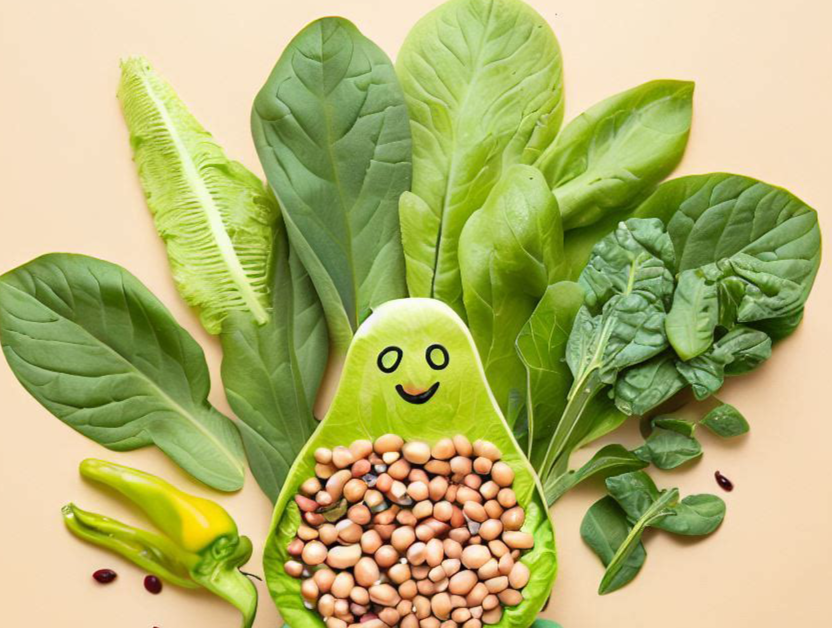
- Iron:Spinach, lentils, tofu, quinoa, pumpkin seeds, and dark chocolate. Yes, you read that right. Chocolate (cocoa) is a plant and it has iron. You’re welcome.
- Iodine:Seaweed, cranberries, strawberries, potatoes, and prunes. I know, seaweed sounds gross, but trust me, it’s delicious in sushi or miso soup. And who doesn’t love cranberries and strawberries? They’re nature’s candy.
- Calcium:Kale, broccoli, bok choy, almonds, sesame seeds, and fortified plant milks. Kale and broccoli are not only good for your bones, but also for your skin and hair. Almonds and sesame seeds are great for snacking or sprinkling on salads. And plant milks are versatile and yummy. You can drink them, use them in cereal, coffee, smoothies, or baking.
What are other plant-based sources of nutrients?
There are many other plant-based foods that are rich in vitamins and minerals. For example:
- Vitamin B12:Nutritional yeast, fortified cereals, and supplements. Vitamin B12 is essential for the production of red blood cells and the maintenance of the nervous system. Nutritional yeast is a cheesy-flavored seasoning that can be added to soups, sauces, salads, or popcorn. Fortified cereals are breakfast cereals that have added vitamins and minerals. Supplements are pills or liquids that contain concentrated amounts of nutrients.
- Vitamin D:Mushrooms, fortified orange juice, and sunlight. Vitamin D is important for the absorption of calcium and the regulation of the immune system. Mushrooms are one of the few plant foods that naturally contain vitamin D, especially if they are exposed to sunlight or UV light. Fortified orange juice is orange juice that has added vitamin D. Sunlight is the best source of vitamin D, as your skin can produce it when exposed to UV rays. However, you should always wear sunscreen and limit your exposure to avoid sunburn and skin cancer.
- Omega-3 fatty acids:Flaxseeds, chia seeds, walnuts, hemp seeds, and algae oil. Omega-3 fatty acids are essential for the health of the brain, heart, and eyes. Flaxseeds, chia seeds, walnuts, and hemp seeds are seeds and nuts that contain high amounts of omega-3s. They can be eaten whole or ground into a powder or oil. Algae oil is a vegan alternative to fish oil that is derived from algae. It can be taken as a supplement or used in cooking.
How can I make sure I get enough nutrients on a vegan diet?
A plant based diet can be healthy and balanced, as long as you eat a variety of plant-based foods and pay attention to your nutritional needs. Here are some tips to help you get enough nutrients on a plant based diet:
- Eat a rainbow of fruits and vegetables every day. Fruits and vegetables are rich in antioxidants, vitamins, minerals, and fiber. They can help prevent chronic diseases and boost your immune system. Try to eat at least five portions of different colors of fruits and vegetables every day. For example, you can have a green smoothie for breakfast, a salad with carrots and tomatoes for lunch, a stir-fry with broccoli and peppers for dinner, and some berries and oranges for snacks.
- Include protein-rich foods in every meal and snack. Protein is essential for building and repairing tissues, muscles, bones, and organs. It also helps you feel full and satisfied. Some good sources of plant-based protein are beans, lentils, tofu, tempeh, seitan, nuts, seeds, quinoa, and soy milk. You can also use protein powders or bars as supplements if needed. Aim to eat at least 0.8 grams of protein per kilogram of body weight per day.
- Consume foods that are fortified with or naturally contain vitamin B12, vitamin D, and omega-3 fatty acids. These nutrients can be harder to get from plant sources, but they are very important for your health. Vitamin B12 is needed for the production of red blood cells and the maintenance of the nervous system. Vitamin D is needed for the absorption of calcium and the regulation of the immune system. Omega-3 fatty acids are needed for the health of the brain, heart, and eyes. Some foods that are fortified with or naturally contain these nutrients are nutritional yeast, fortified cereals, fortified orange juice, mushrooms, flaxseeds, chia seeds, walnuts, hemp seeds, and algae oil. You can also take supplements if you are not getting enough from your diet.
- Consult a doctor, dietitian or book a free discovery consultation with one of our fully qualified, experienced lifestyle medicine doctors, if you have any concerns or questions about living a healthy, sustainable plant-based diet. We can help you assess your nutritional status, identify any gaps or deficiencies, and give you personalized advice on how to optimize your diet and lifestyle.
I keep reading that a plant-based diet is deficient in choline…
Choline is an essential nutrient that plays a vital role in our bodies. It’s a key component of cell membranes and is involved in various processes, including nerve function, liver health, and metabolism. While traditionally found in animal-based foods like eggs and liver, plant-based sources of choline have gained recognition.
Foods like broccoli, soybeans, quinoa, and peanuts offer substantial amounts of choline, making them excellent choices for those following a vegetarian, plant-based or vegan diet.
Incorporating these plant-based sources into your diet ensures you get the choline your body needs to function optimally, even without consuming any animal products.
These are just some of the nutrient sources in a plant-based diet that you can enjoy. There are many more out there, so don’t be afraid to experiment and try new things. Remember, eating plant-based doesn’t mean eating boring. It means eating deliciously and compassionately.
The key is to have fun and enjoy the process. You will soon discover that a plant-based diet is not only good for you but also tasty and satisfying.
So what are you waiting for? Join the plant-based revolution today and reap the benefits for yourself and the world!
 My Wellness Doctor
Leave a comment