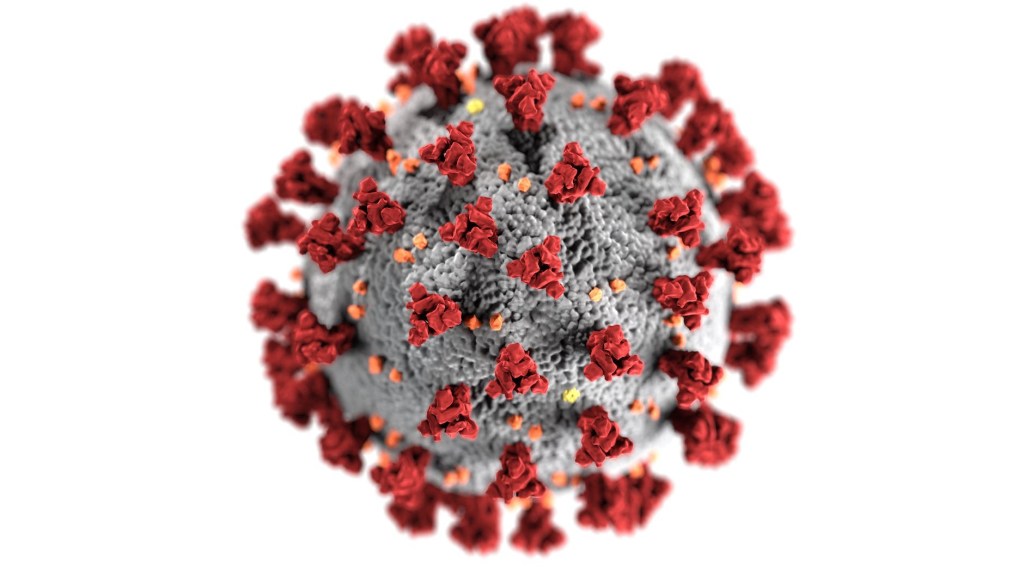
As we enter this autumn, the global community once again faces the challenge of evolving COVID-19 variants. Two newly identified strains, ‘ERIS’ (EG.5) and ‘PIROLA’ (BA.2.86), share key mutations with the Omicron variant, which allow them to evade some immune defences and spread within hospitals and communities. Despite this, public perception has shifted markedly since the autumn of 2020, when strict lockdowns and social distancing measures were commonplace. Today, many regard COVID-19 as a past threat. However, these emerging variants serve as a reminder that the virus continues to evolve, raising questions about potential health risks and the need for ongoing vigilance. What do we know about these variants’ transmissibility and immune evasion capabilities? How can we maintain public health, and should there be concern as we move forward?
EG.5 (Eris)
EG.5, an Omicron offspring, is gradually becoming one of the predominant COVID variants. It’s been labeled a “variant of interest” by the World Health Organisation due to a number of mutations in its spike protein (the means by which COVID infects a cell), which could allow ERIS to evade the immune systems antibody response. Amid the rising concerns, many COVID experts are optimistic that the ‘herd immunity’, built up through immunisation and previous infection should still provide good protection, at least against severe disease.
BA.2.86 (Pirola)
Pirola (BA.2.86), another variant, is also emerging, with its own unique mutations. Colder weather, increased indoor interactions, the impending flu season, reduced community surveillance mean that we don’t yet know as much as we should about this particular strain. There are signs that it too could be better adapted to evade our antibody responses.
It is important to note that antibodies – whilst considered our immune systems most adapted and specific defence – aren’t the only weapon we have. Vaccination and prior-infection do indeed trigger antibodies (which are like tiny keys that fit over the COVID spike protein ‘locks’ and either destroy the virus or label it for destruction), however another part of the immune response: the T-Cell response is also primed.
T-Cell immunity, is less specific than antibody- based immunity, but can still be built up by vaccination and previous infection. In many people this built-up immunity lasts a lot longer that the antibody response. It is likely that both aspects of immunity are important when it comes to defence against COVID.
Surveillance Matters
Continued high-quality surveillance is key in keeping on top of changes in COVID-19. However in most parts of the world well-funded surveillance is tailing off.
The consequence of reduced surveillance? A potential blind spot for the emergence of problematic variants lurking in the shadows.

Data In Decline
The need for accurate COVID-19 data faces additional challenges. Our current data prism largely reflects hospitalised patients, neglecting the behaviour of the virus amongst the varied mix of people in our communities. Testing is waning, even in hospitals, prisons, and care homes. The Covid vaccine booster program is likewise tapering down, targeting ever more specific cohorts. All of this means that it is harder for public health experts to monitor the current prevalence and virulence of the virus.
Are these issues really a problem?
Infectious diseases consultant, Dr. Antonia Ho from Glasgow university, in a recent interview with the Guardian newspaper, voiced her concern that community surveillance systems are being wound down. These comprehensive systems, set up over the past few years, enable scientists, like Dr Ho to detect potential new COVID variants. Without them, this ability is significantly hampered.
But It’s just like the flu, right?
Should we now treat COVID-19 like the flu? Dr. Ho doesn’t think we should. She points to critical differences between the two infections, such as clotting issues (with COVID), potential lung damage and the mystery of long Covid, which still isn’t really understood. For many people then, COVID-19 remains the riskier condition.
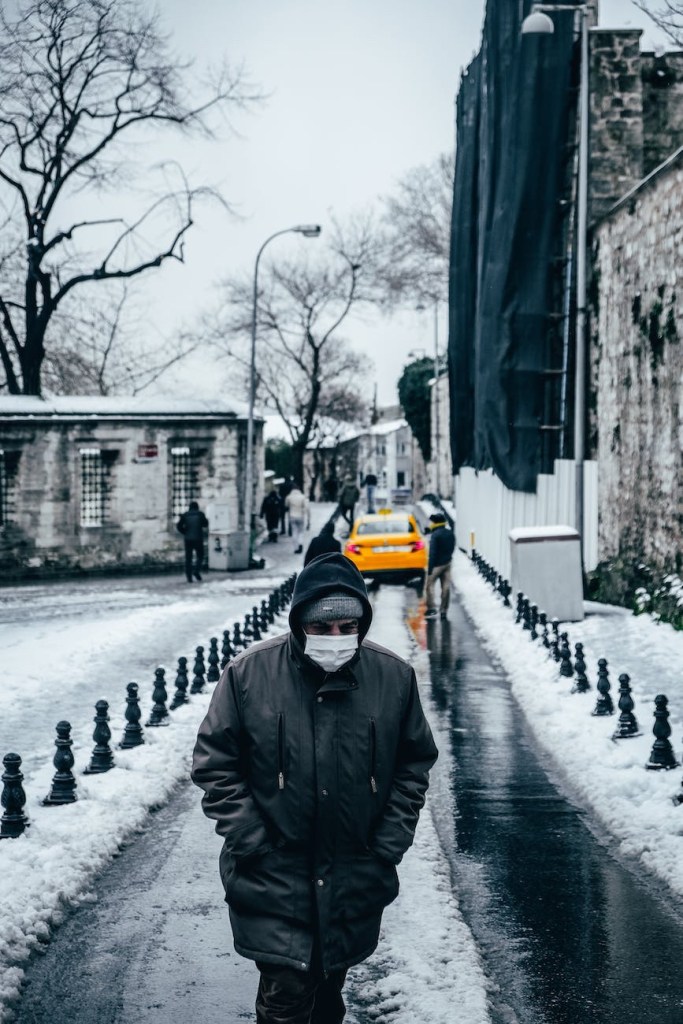
Winter
As autumn becomes winter, people spend more time inside, mixing in dry, heated air. It is important therefore, not to grow complacent, especially about vaccination and common sense actions, like regular hand washing. Even if we, ourselves are at low risk, it is likely we know someone who may get more unwell from a COVID infection. The NHS braces for its annual onslaught of multiple respiratory viruses: Rhinovirus’s, the flu, and in babies the ever-troublesome RSV (which causes bronchiolitis- a common respiratory infection) as well as this years dominant COVID strains.
The NHS is already straining under the pressure, grappling with record waiting lists, under-funding, demoralised clinicians, prolonged industrial action and staff shortages.
The Uncharted Path Ahead
The future unfurls with a degree of uncertainty. ERIS’s & Pirola’s trajectory remain unclear, much like COVID-19’s seasonal behavior. The situation requires careful navigation by government authorities.
Despite these concerns, there’s hope. Some experts suggest Pirola may not spread as swiftly as feared, plus research has demonstrated there is a surprising amount we can do for ourselves to try & avoid the worse outcomes of a COVID infection.

Diet’s Role
A study, published in the BMJ uncovered an intriguing link between dietary choices and COVID-19. Healthcare workers in six countries shared their experiences in this large ‘population-based, case-control’ trial. They discovered that those who adhere to a ‘plant-based diet’ were significantly less likely (73% less likely in-fact) to become severely unwell with COVID, holding the potential to reduce the severity of COVID-19 symptoms. Meanwhile, ‘low carbohydrate, high protein diets’ raise the risk (by almost 4x) of a COVID-19 inflammatory storm (which is associated with more severe symptoms).
Whilst this study reveals that while a plant-based diet significantly shapes the severity of symptoms, it doesn’t necessarily sway the odds of getting infected or the duration of the illness. It also doesn’t mitigate the need for up to date immunisation in those who are eligable.
The full BMJ research paper can be found here:
https://nutrition.bmj.com/content/early/2021/05/18/bmjnph-2021-000272

 My Wellness Doctor
Leave a comment