By Dr Michael Simmons | GP & Longevity Lead at My Wellness Doctor

We often think of walking as simple—something we do to stretch our legs, hit a step count target, or catch a breath at lunch or between meetings. But emerging science reveals something more powerful that previously thought: walking, done the right way, is actually a multi-system therapeutic intervention.

Not all walks are the same though. And the “right kind” of walk—which is rich in scent, sound, terrain and scenery—can trigger multiple physiological changes. For example, a reduction in inflammation, a recalibration in brain activity, improved immunity, and improving the way we feel.
Let’s break this down a bit more.
Walking as Rhythmic Therapy
Our brains respond deeply to rhythm. Sustained, repetitive movement- something that unborn babies are comforted by in the womb, and later our daily activities —like walking—entrain slow brainwaves (theta rhythms, 7–8Hz), associated with memory consolidation, introspection and emotional regulation. Combine this with the reduction in prefrontal cortex activity that occurs in nature, and walking becomes a kind of active meditation. You’re not just moving through the world. You’re giving your mind space to reset.
The Olfactory System: An Overlooked Health Axis
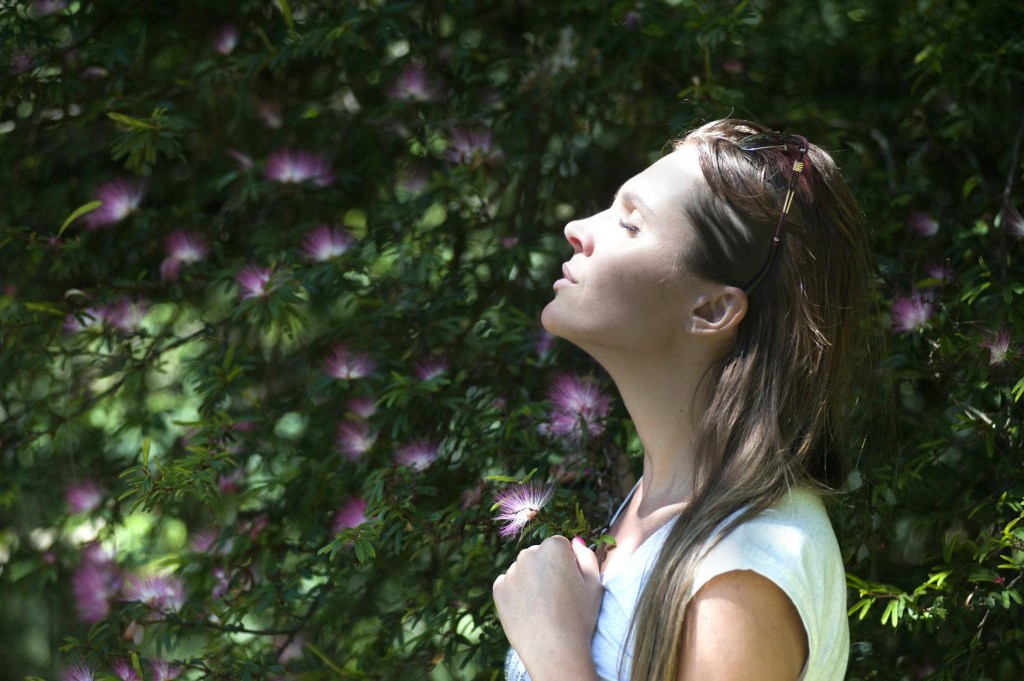
One of the most interesting insights from recent research is the role of smell—specifically, volatile organic compounds (VOCs) released by plants and trees. When we walk through pine forests, for instance, we inhale compounds like α- and β-pinene. These don’t just smell good—they lower blood pressure, dampen stress hormones, and increase natural killer (NK) cell activity (a key immune defence against cancer and infection).
Urban living, excessive hygiene, and time indoors dull this olfactory input. Yet olfaction directly influences limbic and memory networks—suggesting that the smell of a place may matter just as much as the view.
Blue Spaces: The Power of Coastal Air

Sea air isn’t just refreshing. It’s molecularly active. Wind-driven aerosols from seaweed, algae, and bacteria carry compounds that modulate gene expression—supporting anti-inflammatory pathways and boosting metabolism.
Even more surprisingly, the lungs appear capable of absorbing certain micronutrients (like iodine and vitamin B12) from air—a concept dubbed “aeronutrition.” One study found children living near iodine-rich coasts had significantly higher iodine levels, despite similar diets to their inland counterparts.
For those of us practising preventive medicine, this reopens the conversation about how we think about nutrition, exposure, and the senses.
Terrains, Biodiversity & Evolutionary Landscapes
There’s also growing evidence that certain types of visual landscapes—particularly those with “mid-fractal” complexity—are intrinsically calming. Open meadows with scattered trees, gently undulating hills, and savannah-like vistas tend to generate more alpha and beta brainwave activity than either dense forests or featureless plains.
This might reflect an evolutionary bias. These environments once allowed early humans to scan for threats and shelter with minimal effort. Now, they offer modern brains a chance to relax their vigilance system.
Long Walks, Flow States & Deep Recovery
Short walks (around 20 minutes) reliably lower cortisol and improve mood. But longer walks—particularly in forests or coastal areas—do more. In one study, three days of walking in pine forests boosted NK cell levels and reduced stress hormones for a full week
Many long-distance walkers report entering flow states—psychological experiences of deep immersion, timelessness and calm. Brain imaging suggests this is linked to “functional hypofrontality”—a quieting of the brain’s executive control systems. It’s the same signature seen in meditation and psychedelic therapy.
What This Means in Practice
For clinicians, coaches, and anyone interested in lifestyle medicine, this changes the frame.
We’re not just recommending movement—we’re prescribing sensory-rich, environmentally dynamic, rhythmically engaging time in nature.
A walk through a quiet pine forest may be more anti-inflammatory than a low-dose NSAID. A coastal hike might support mood and immunity more effectively than another supplement. And a long walk with varied terrain could facilitate cognitive reorganisation as powerfully as a counselling session.
Key Takeaways for Daily Life
1. 20 minutes in a green or blue space is enough to start shifting stress physiology.
2. Scents matter: Seek out pines, flowers, sea air—pleasant odours have immunological effects.
3. Diversity heals: Choose routes with varied terrain, smells, and scenery.
4. City walks count—especially in botanical gardens, historic streets, or places with architectural interest.
5. Longer walks deepen benefit, triggering reflection, flow, and nervous system reset.
Walking isn’t just something we do—it’s something we experience. And when curated intentionally, it becomes one of the most potent, low-cost tools we have for lifelong health.
Further Reading
The Walking Cure by Annabel Abbs
Good Nature by Kathy Willis
New Scientist: “How a simple walk can bust stress, boost cognition and fight diseases” (2025)
 My Wellness Doctor
Leave a comment