By Dr Michael Simmons.
Longevity Lead at Mywellnessdoctor.co.uk
As GPs, there is usually a focus on the well established cardiovascular benefits of treating hypertension (high blood pressure)—reduced risk of stroke, heart failure, chronic kidney disease etc. But mounting evidence is highlighting another critical reason: protecting the ageing brain.

A recent large-scale trial from China, published in Nature Medicine, adds weight to the idea. Over 33,000 adults aged 40+ with hypertension were followed over four years. The intervention group received aggressive blood pressure control using an average of three medications—ACE inhibitors (which relax the arteries and regulate how the kidneys process salt), diuretics, or calcium channel blockers (which relax arteries)—alongside lifestyle coaching. The control group received standard care (typically one drug) and the same coaching.
At the end of the study:
The intensive group reduced blood pressure (BP) from 157/88 to 128/73 mmHg. The control group reached 148/81 mmHg. Most notably, the intensive group had 15% fewer cases of dementia and 16% less cognitive impairment.
These are significant figures. While we’ve long suspected hypertension to be a modifiable risk factor for cognitive decline, this study directly demonstrates the preventative effect of rigorous blood pressure management.
Why would hypertension affect cognition?
The mechanism is likely multifactorial:
Microvascular damage: Chronic high BP disrupts cerebral auto-regulation (the ability of the blood vessels in the brain to adapt to changes in blood pressure) leading to white matter lesions, microbleeds, and eventual neurodegeneration.
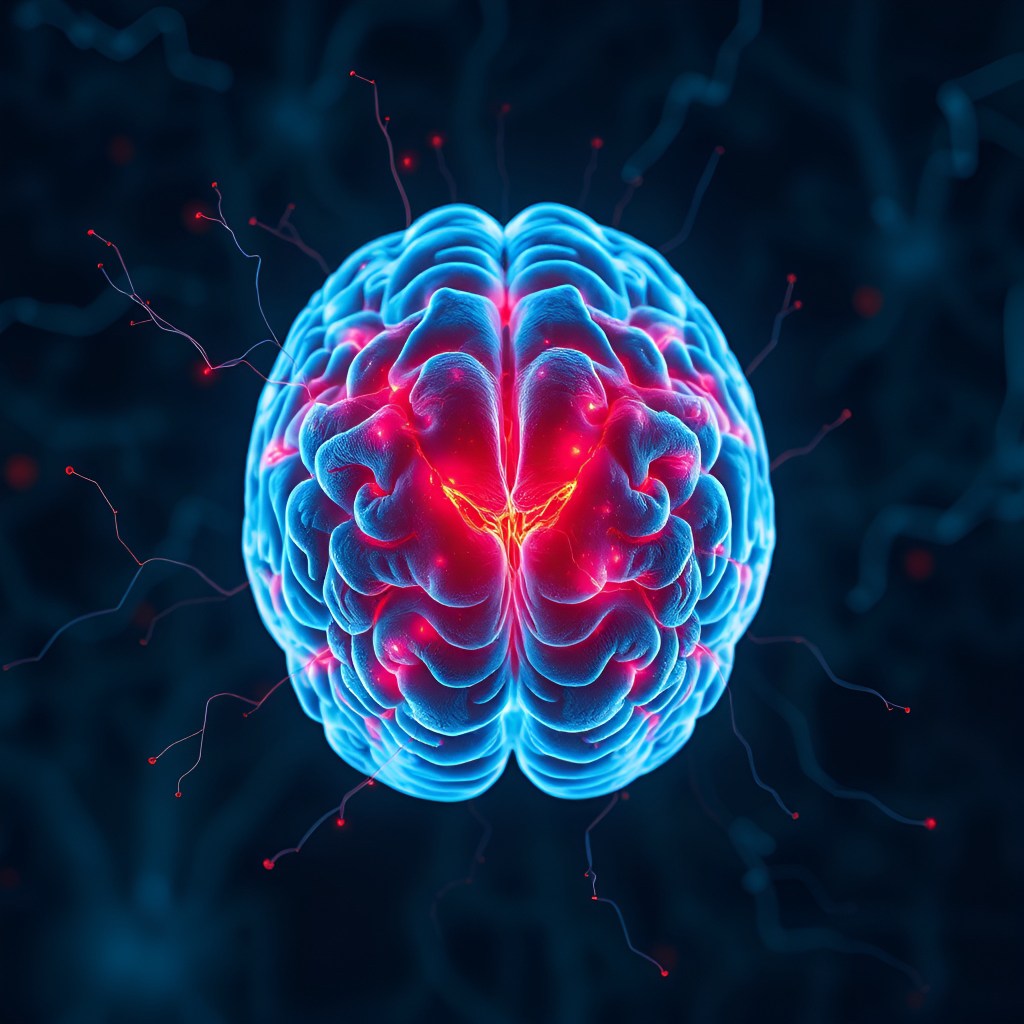
Neuroinflammation
Hypertension can drive systemic inflammation, crossing the blood-brain barrier and impacting neural function.
Impaired perfusion:
Subtle hypoperfusion (a reduction in blood supply) of key cognitive regions, including the hippocampus, may impair memory formation and processing speed.
In essence, the same vascular damage that leads to stroke can also erode cognitive reserve—quietly and cumulatively.
The Bigger Picture:
Dementia Prevention Needs Systems Thinking
The researchers rightly highlight that this is one piece of the puzzle. Dementia risk is shaped across the life course, with known modifiable contributors including:
•Smoking
•Physical inactivity
•Obesity
•Social isolation
•Hearing loss
These factors interact in complex, non-linear ways. For example, poor hearing can lead to isolation, which in turn affects cognitive reserve. Or untreated hypertension might accelerate hippocampal atrophy (shrinkage) in someone already vulnerable.
What this means in practice
As clinicians, we should:
1. Treat hypertension assertively, especially in middle age, when the brain may still be plastic enough to benefit.
2. Consider BP control not only for cardiovascular risk, but also as part of healthy ageing strategy.
3. Embed this within wider lifestyle medicine approaches, addressing other modifiable risks over time.
This research reinforces a change already underway—from disease management to proactive neuroprotection.
 My Wellness Doctor
Leave a comment