Are You Getting Enough Sleep?
The Critical Role of Sleep in Health and Well-being
2025 updated with the latest scientific evidence.

What You Need To Know…

Sleep was a risky behaviour for early humans. With predators, human competitors and potential environmental hazards all around them; lying defenceless, unconscious and-(depending on the stage of sleep)- unable to move. Sleep remains a risky behaviour for many wild animals, sleep also renders us unproductive for a chunk of our days.
So why has evolution retained such a risky, unproductive behaviour, throughout the vast majority of species over the expanse of time?
There must be significant benefits.
Sleep and Skin Health

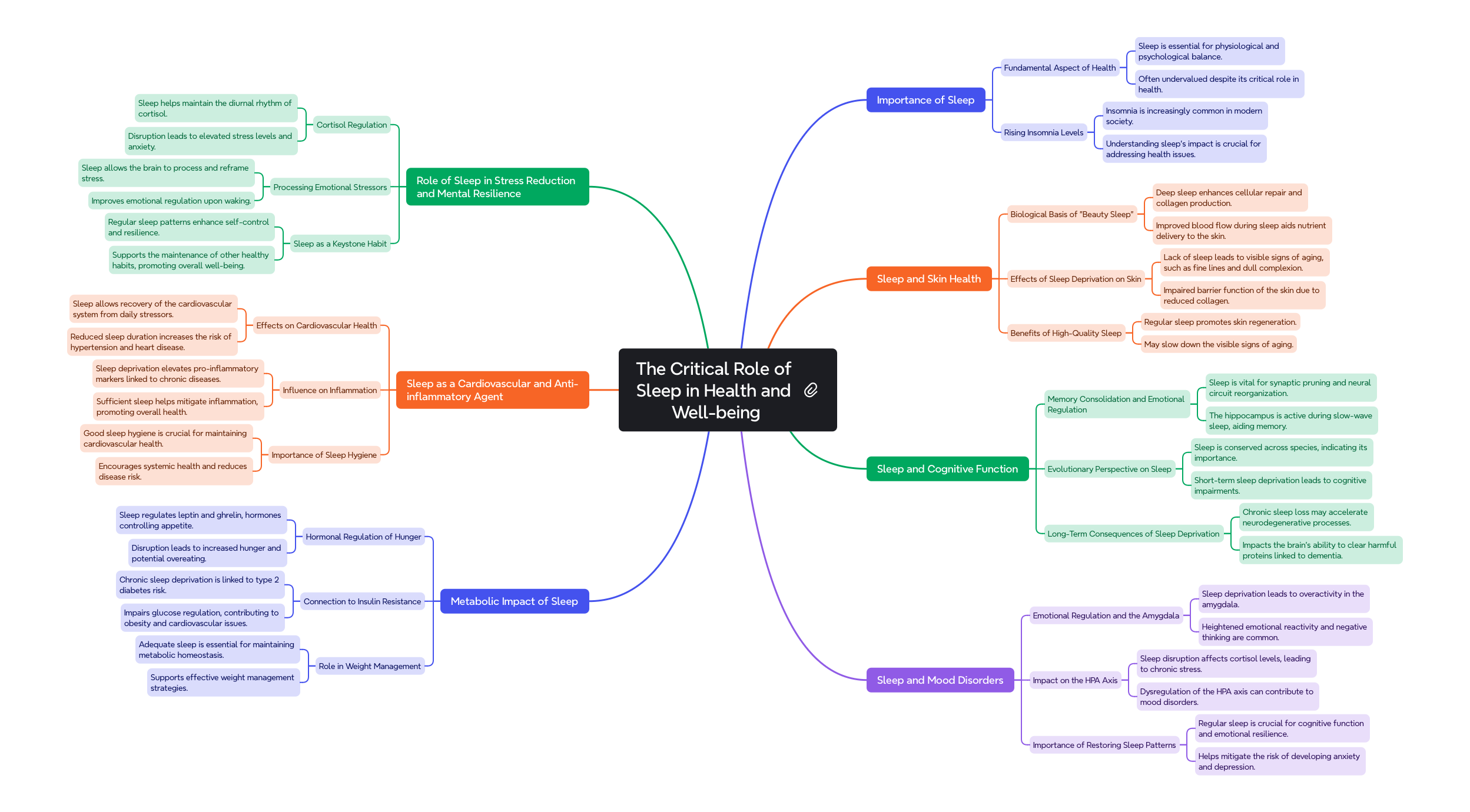
Research is increasingly affirming that the concept of “beauty sleep” has a real physiological basis. During deep sleep, the body enters a phase of heightened cellular repair. This includes increased production of collagen, a structural protein that maintains skin elasticity and hydration. Sleep also regulates blood flow to the skin, which enhances the delivery of nutrients and enhances the removal of metabolic waste products that accumulate during the day.
Sleep research has demonstrated that sleep deprivation can lead to increased signs of ageing, such as fine lines, dull complexion, and dark circles under the eyes, all of which are mediated by a decrease in collagen production and impaired barrier function of the skin. Regular, high-quality sleep promotes more effective skin regeneration and may slow the visible signs of ageing.
Sleep and Cognitive Function: A Brain in Recovery

Sleep is essential for cognitive health, particularly memory consolidation and emotional regulation. The brain undergoes critical processes during sleep, including synaptic pruning and the reorganisation of neural circuits that are vital for learning and memory. The hippocampus, which is integral for memory consolidation, becomes highly active during slow-wave sleep (SWS), while the neocortex (the thin outer layer of the brain) processes and integrates new information.
Sleep is not just a human phenomenon; it is widespread across the animal kingdom. From fruit flies to dolphins, sleep has been retained by natural selection despite the evolutionary risks of being unconscious and vulnerable to predators etc. This suggests that the benefits of sleep are so profound that they outweigh the dangers. Research supports this idea, showing that even short-term sleep deprivation can cause cognitive impairments, while chronic deprivation may accelerate neurodegenerative processes.
But what happens when sleep is chronically neglected, even in someone who seems to do everything else right?
My father, for instance, was the epitome of a health-conscious individual. He went to the gym regularly, practised martial arts and yoga, and maintained a meticulously balanced diet rich in whole grains, fruits, and vegetables. He was a highly educated educational psychologist with excellent blood pressure, cholesterol levels, and a BMI of 22—yet, tragically, he succumbed to Lewy body dementia at the age of 66.
Lewy body dementia is a neurodegenerative condition characterised by the accumulation of alpha-synuclein proteins in the brain, leading to cognitive decline, motor symptoms similar to Parkinson’s disease, and severe fluctuations in mental alertness. While the exact causes of this disease are multifactorial and not fully understood, emerging research increasingly points towards a link between long-term sleep deprivation and neurodegeneration.
In my father’s case, one critical aspect of his lifestyle was consistently overlooked: sleep. From childhood, he never slept more than five or six hours per night. He started waking at 5 a.m. to help run the family store at the age of seven and later, earlier, at 4 a.m. to manage two paper rounds before his school day. By the end of primary school, his report card described him as “a poor lethargic child.” Despite his many accomplishments in life, which included years of studying and working at prestigious institutions, the relentless sleep deprivation seemed to shadow his health.
Research has long suggested that chronic sleep restriction can have detrimental effects on cognitive function. Poor sleep impacts the brain’s ability to clear beta-amyloid and tau proteins—both hallmarks of neurodegenerative conditions like Alzheimer’s and potentially Lewy body dementia. Moreover, sleep is essential for the maintenance and regulation of the lymphatic system, which facilitates the removal of waste products from the brain. When this system is disrupted by chronic sleep deprivation, harmful proteins may accumulate, contributing to cognitive decline later in life.
It remains unclear whether sleep deprivation was a direct cause of my father’s illness, but given what we now understand about sleep’s role in maintaining brain health, it’s a compelling hypothesis. Sleep, in this context, may serve as a critical defence against cognitive disorders that develop over decades.
Sleep and Mood Disorders: The Amygdala and the HPA Axis

Sleep is equally crucial for emotional regulation and mental health. Chronic sleep deprivation is strongly associated with mood disorders such as depression, anxiety, and chronic stress. One key area involved in this process is the amygdala, the brain’s emotional processing centre. When we don’t get enough sleep, the amygdala becomes overactive, leading to heightened emotional reactivity and an increased tendency towards negative thinking. This is particularly evident in conditions like anxiety, where the brain is less able to regulate fear responses.
Another system profoundly impacted by sleep is the hypothalamic-pituitary-adrenal (HPA) axis, which governs the body’s stress response. The HPA axis regulates the release of cortisol, the primary stress hormone, which follows a natural circadian rhythm. Sleep disruption leads to dysregulation of this system, causing elevated cortisol levels that perpetuate a state of chronic stress. Over time, this can contribute to the development of mood disorders and exacerbate conditions like depression and anxiety.
In fact, research shows that chronic sleep deprivation can impair the prefrontal cortex, the part of the brain responsible for rational thought, decision-making, and impulse control. This diminished cognitive capacity, combined with an overactive amygdala, creates a perfect storm for emotional instability. Restoring regular sleep patterns, therefore, is crucial not just for cognitive function but also for emotional and psychological resilience.
The Metabolic Impact of Sleep: Hormonal Regulation and Weight Management

Sleep plays a pivotal role in metabolic health by regulating hormones that control hunger and satiety. Two hormones, leptin and ghrelin, are particularly important. Leptin, produced by adipose tissue, signals satiety and suppresses appetite, while ghrelin, secreted primarily by the stomach, stimulates hunger. Sleep deprivation disrupts the balance of these hormones, leading to increased ghrelin levels and decreased leptin production, which may promote overeating.
Additionally, chronic sleep deprivation is linked to insulin resistance and an increased risk of developing type 2 diabetes. The metabolic disruption caused by inadequate sleep can impair glucose regulation, contributing to obesity and cardiovascular disease. Thus, adequate sleep is a critical factor in maintaining metabolic homeostasis and supporting weight management.
Sleep as a Cardiovascular and Anti-inflammatory Agent

Good sleep hygiene has far-reaching effects on cardiovascular health. During sleep, the autonomic nervous system regulates heart rate and blood pressure, allowing the cardiovascular system to recover from the daily stressors it encounters. Reduced sleep duration, particularly less than six hours per night, has been associated with an increased risk of hypertension, coronary heart disease, and stroke.
Moreover, sleep influences inflammation, a key driver of many chronic diseases. Sleep deprivation elevates pro-inflammatory markers, such as C-reactive protein (CRP) and interleukin-6 (IL-6), which are linked to cardiovascular diseases and metabolic disorders. By contrast, sufficient sleep mitigates these inflammatory processes, contributing to overall cardiovascular and systemic health.
The Role of Sleep in Stress Reduction and Mental Resilience
Cortisol, the body’s primary stress hormone, follows a diurnal rhythm, peaking in the early morning and declining throughout the day. Sleep deprivation disrupts this rhythm, leading to elevated cortisol levels, which can exacerbate stress and anxiety. Additionally, sleep provides an opportunity for the brain to process and reframe emotional stressors, leading to improved emotional regulation upon waking.
Sleep is a “keystone habit”—a behaviour that triggers positive changes in other aspects of health. Regular sleep patterns enhance self-control and resilience, making it easier to maintain other healthy habits, such as consistent exercise and balanced nutrition. This leads to a “virtuous cycle” of sleep and health behaviours that support overall well-being and mental health.
Sleep—An Essential Pillar of Health

Sleep is more than a passive state of rest. It is an active and dynamic process that influences nearly every system in the body. From skin regeneration and cognitive function to metabolic balance and cardiovascular health, the benefits of sleep are profound and far-reaching. Prioritising sleep is vital if we want to feel energised and well feeling rested—and is also vital for enhancing our physical and mental resilience, preventing disease, and optimising overall health.
Dr Michael Simmons
 My Wellness Doctor
Leave a comment